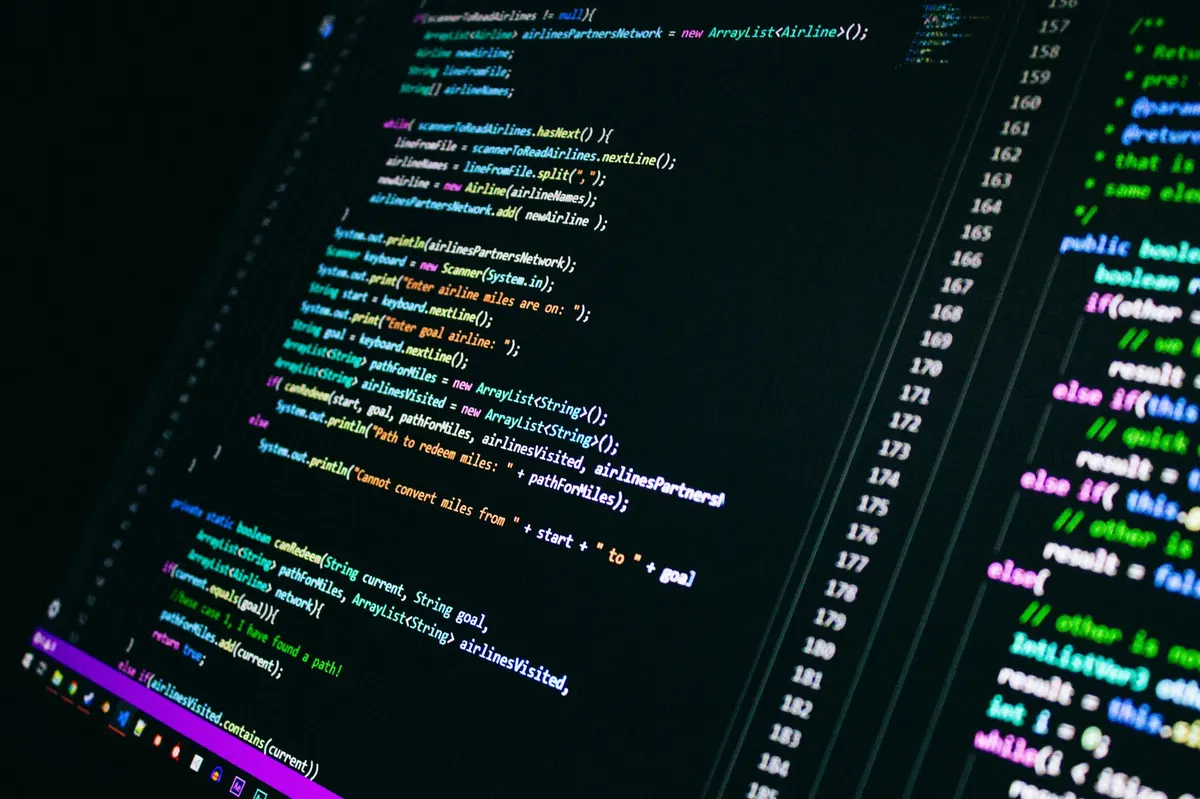
Anthropic's Claude Can Now Use Your Computer. Should You Let It?
Computer use is the most hyped feature of 2026. We tested it across 50 real tasks — here's what actually works, what breaks, and what's genuinely dangerous.
When Anthropic announced computer use capability for Claude, the demo was impressive: an AI opening a browser, navigating a spreadsheet, filling out forms. The promise is straightforward — AI that doesn’t just talk about tasks but actually does them.
After running 50 real-world tasks, the reality is more nuanced.
What works
Form filling and data entry. Claude reliably transfers information between structured formats — paste a resume into a job application, copy invoice data into accounting software. Tedious, repetitive work that humans hate.
Browser navigation. Following links, scrolling, clicking buttons. Claude handles standard web workflows well, especially on sites with clear layouts.
Multi-app coordination. The killer use case: reading an email, extracting action items, entering them into a project management tool. This is where computer use shines.
What breaks
Dynamic interfaces. SPAs with lazy-loaded content, modals that appear on hover, drag-and-drop interactions — these confuse the model consistently. Claude clicks where elements should be, not where they actually rendered.
Speed. Each action takes 3-5 seconds. A task that takes a human 30 seconds might take Claude 5 minutes. Fine for automation, unusable for real-time work.
Recovery from errors. When Claude makes a mistake — clicking the wrong button, navigating to the wrong page — it rarely recovers. It assumes its previous action succeeded and builds on the error.
The security question
This is the part nobody wants to talk about. Giving an AI control of your computer means it can see everything: passwords, financial data, private messages, proprietary code.
Anthropic’s approach runs locally, which helps. But the model still processes screenshots that may contain sensitive information. And the permission model is binary — you either give Claude access to everything or nothing.
For enterprises: the risk profile is significant. One misconfigured permission and Claude could email the wrong person, modify the wrong document, or expose data to an API call.
Our take
Computer use is genuinely useful for specific, well-defined workflows. It’s not ready for open-ended “do my job” prompts. Treat it like a very literal intern — give it precise instructions, check its work, and never let it touch anything that matters without supervision.
The technology will improve. The current limitations — speed, error recovery, security granularity — are all solvable. But today, the gap between demo and production is still wide.